
The conclusion of Canada’s landmark Team Canada Trade Mission to India-the largest business delegation sent to the sub-continent in three decades-marks a strategic reset in bilateral commercial relations. Led by senior international trade ministers alongside over 300 business delegates and 150 corporate organizations, the trade mission focused on major commercial centers including Mumbai and Bengaluru. For Indo-Canadian entrepreneurs, importers, technology founders, and supply-chain logistics directors, this high-level trade initiative establishes a direct commercial bridge between Canadian innovation and India’s rapidly expanding industrial market.
Breakthrough Commercial Deals Across Cleantech, Tech Talent & Agriculture
During the mission, Canadian enterprises and Indian corporate partners finalized more than 34 commercial agreements and strategic joint ventures valued at nearly $300 million. Key sectoral highlights include:
1. Clean Energy & Battery Technologies – Strategic deals between Canadian clean-tech firms and Indian energy majors focus on scaling battery cell manufacturing, smart grid software deployment, and rooftop solar installations across India. Joint ventures in green hydrogen, biowaste-to-energy systems, and carbon capture infrastructure provide long-term cross-border expansion opportunities.
2. Enterprise AI, Space & Tech Innovation – Technology partnerships signed across Bengaluru hubs span satellite communication systems, autonomous retail infrastructure, cybersecurity, and enterprise AI compliance platforms. Collaborative R&D frameworks between Canadian tech startups and Indian IT giants accelerate co-development and global commercialization.
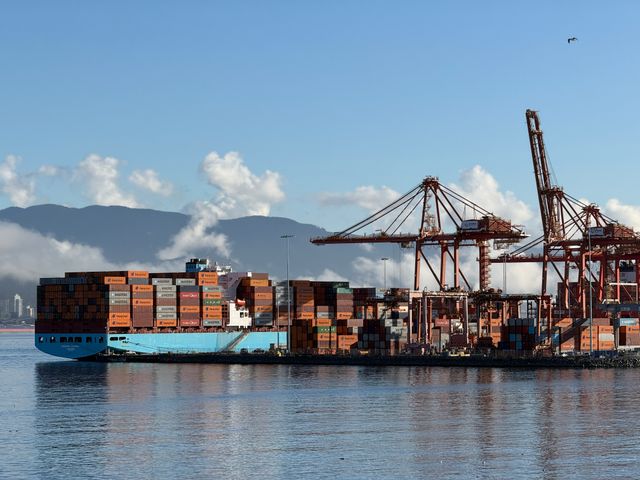
3. Agri-Food, Supply Chains & Port Infrastructure – The renewal of the maritime trade and logistics partnership between the Port of Montreal and Adani Ports (Mundra-Montreal corridor) enhances supply chain predictability. Additionally, agri-tech agreements focused on soil enhancement products and pulse protein processing support steady bilateral agricultural trade flows.
Expansion Avenues for Local Indo-Canadian Small and Medium Enterprises (SMEs)
The bilateral trade push directly benefits Canada’s small and medium-sized enterprise sector, where Indo-Canadian business leaders play a central role. Diaspora-led businesses are uniquely positioned to leverage deep cultural insights, bilingual capabilities, and established commercial networks to capture emerging market opportunities:
1. Supply Chain Facilitation & Customs Brokerage – Freight forwarders, import-export agencies, and logistics operators can tap into expanded cargo volumes moving through major Indian ocean ports and air hubs.
2. Technology Transfer & B2B Matchmaking – Local tech consultancies and engineering firms can serve as regional implementation partners for Canadian intellectual property entering the Indian market under the Trade Commissioner Service (TCS) framework.
3. Strategic B2B Partnerships – Enhanced bilateral alignment opens direct channels for mid-market Canadian companies seeking manufacturing joint ventures or software talent integration with certified Indian enterprise partners.
Expedited Business Mobility & Corporate Travel Protocols Under Discussion
To sustain the momentum of commercial deals, government officials and international labor stakeholders engaged in targeted discussions to streamline corporate mobility and visa workflows. Priority administrative objectives include:
1. Priority Business Visa Processing – Reciprocal arrangements under evaluation aim to fast-track business visit authorizations, multi-entry corporate visas, and executive transit permits for verified trade delegation members and corporate directors.
2. Skills Recognition & Fair Mobility Frameworks – Collaborative dialogues supported by IRCC and international labor bodies focus on aligning professional qualifications, enabling smoother mobility for high-skilled tech specialists, engineers, and researchers moving between jurisdictions.
3. Driving Progress Toward CEPA – Elevated trade mission outcomes directly support ongoing negotiations for the comprehensive bilateral trade agreement, establishing long-term tariff predictability and regulatory alignment for cross-border investors.
By monitoring trade commissioner advisories and participating in regional trade councils, Indo-Canadian business owners can leverage new commercial channels to expand their enterprises internationally.