For Indian research scholars, medical practitioners, and visa holders in North America, acquiring a No Obligation to Return to India (NORI) certificate is a crucial milestone, especially for those on J-1 visas seeking a waiver of the two-year home-country physical presence requirement. Indian Consular Missions across Canada-including the High Commission in Ottawa and the Consulates General in Toronto and Vancouver-alongside designated BLS International Centers, maintain specific compliance requirements regarding physical document submission and verification. If you are coordinating your document clearance while residing in Canada or transitioning across North American borders, understanding these updated verification workflows is essential to avoiding costly administrative delays.
Operational Requirement: In-Person Verification vs. Power-of-Attorney Execution
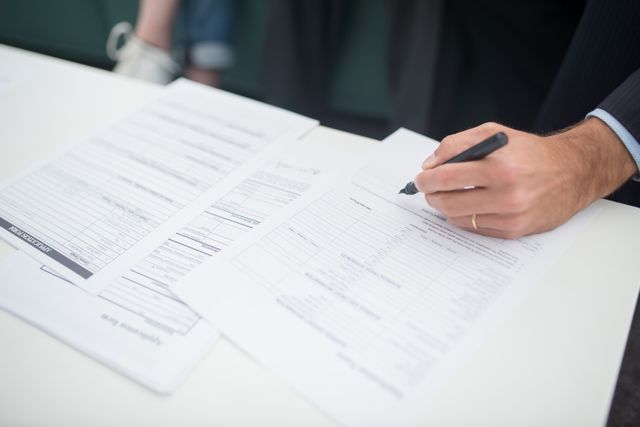
Recent operational guidelines from Indian consular offices emphasize physical document authentication to verify the legitimacy of applicants. Walk-in submissions at designated BLS application centers or consular outreach locations require original passports and supporting documents to be produced on-site for immediate physical verification. If an applicant cannot be physically present at the consular office or BLS counter due to relocation or travel restrictions, they must execute a notarized Power of Attorney (PoA) authorizing a representative in India to handle regional clearances on their behalf. Additionally, applicants must provide verified tax clearances or financial NOCs from Indian state or municipal tax authorities to confirm that no outstanding liabilities remain prior to final consular endorsement.
Step-by-Step Clearance Pipeline: RPO to Consular Endorsement
Navigating the NORI clearance process involves distinct stages across both Indian and Canadian consular authorities:
Stage 1: Initial Consular Attestation (Canada) – The applicant downloads the Miscellaneous Application form along with four sets of the Bio-Data and NORI Affidavit forms. These documents must be attested by the Indian Consulate (via Toronto, Vancouver, or Ottawa BLS counters).
Stage 2: Regional Passport Office (RPO) Clearance – The attested forms are submitted to the RPO in India that issued your primary passport to verify identity details and clear local background checks.
Stage 3: State Home Department Clearance – Your documents undergo scrutiny at the Home Department of your respective home state or Union Territory in India to ensure no legal or civil impediments exist.
Stage 4: Nodal Ministry Approval (Ministry of Education or Ministry of Health) – Non-medical scholars submit their clearance files to the Ministry of Education via the official portal. Medical professionals and doctors must submit their files directly to the Ministry of Health and Family Welfare.
Stage 5: Final Consular Endorsement – Once all three clearance certificates (RPO, State Home Department, and Ministry) are issued in original, the applicant submits them back to the Indian Consular Mission in Canada to receive the final official NORI Certificate.
Common Pitfalls That Freeze NORI Processing Times
The most frequent cause of prolonged delays or outright rejection during NORI processing is unfulfilled educational or service bonds in India. Doctors, researchers, and government-sponsored scholars who completed their education under subsidized schemes or state service bonds must ensure all contractual obligations are settled before initiating the NORI process. Furthermore, failure to secure an NOC from Indian banking or financial institutions where educational loans were raised will halt progress at the state level. Discrepancies between names on Canadian immigration documents and Indian passports can also trigger manual re-evaluations, adding months to processing schedules.
Checklist: Submitting Valid Proof of Canadian Legal Stay
When presenting your application package for in-person verification or postal submission at a BLS center in Canada, ensure you include valid proofs of Canadian status alongside your Indian passport:
1. Valid Indian Passport (Original for in-person verification along with self-attested copies of the bio-data and observation pages).
2. Unexpired Canadian Legal Status Document (Original PR Card, valid Canadian Work Permit, or Study Permit).
3. Status Extension Documentation (If your PR card or permit is expired, you must include a self-attested copy of the expired document accompanied by official IRCC acknowledgment letters proving an extension application is under process).
4. Verified Canadian Residential Proof (Valid Provincial Driver’s License, Provincial Photo ID, or recent utility bills such as water, gas, or electricity displaying your full current residential address; note that bank statements and mobile bills are not accepted).
5. Consular & Service Fees (Proof of paid consular attestation fees payable as per current Consulate General of India guidelines and BLS processing schedules).
By reviewing these requirements prior to scheduling your verification appointment, Indian professionals and scholars can navigate consular workflows smoothly and transition between North American academic and professional institutions without unnecessary interruption.